Techniques and Tools Used in Traditional Tattooing
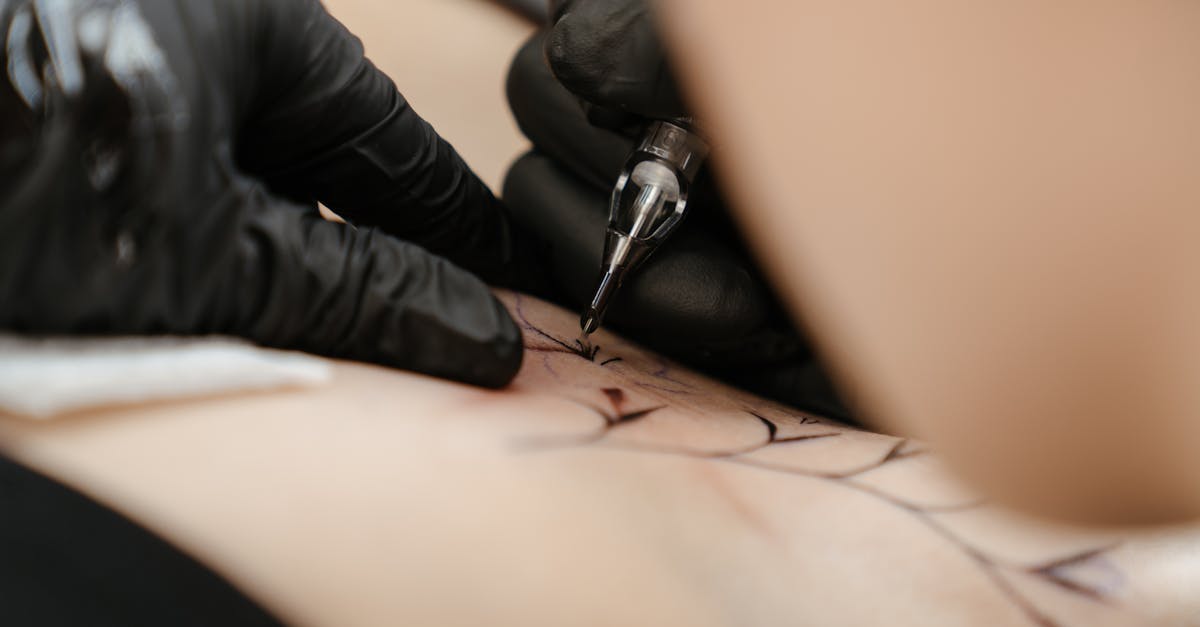
Table Of Contents
Visual Aesthetics in Traditional Tattoos
The visual appeal of traditional tattoos often lies in their intricate designs and vibrant colours. Many cultures incorporate specific patterns that tell stories or signify an individual’s identity, beliefs, and heritage. Styles such as tribal, Japanese, and Polynesian exhibit distinct aesthetics, each with unique motifs that resonate deeply with the communities that created them. The boldness of lines and the use of natural pigments contribute to the tattoos' striking presence on the skin.
In traditional tattooing, the arrangement of elements plays a crucial role in conveying meaning. Each design not only reflects beauty but also embodies cultural narratives passed down through generations. The careful placement and symmetry draw the eye, while the interplay of light and shadow enhances the overall impact. Consequently, the aesthetic choices made by tattoo artists are not merely artistic; they are steeped in cultural significance, transforming the skin into a canvas of personal and communal history.
Symbolism and Meaning Behind Designs
Traditional tattoos often serve as a visual language, conveying stories, beliefs, and cultural heritage. Each design is imbued with significance, reflecting the identity and values of the individual wearing it. Common motifs, such as animals, floral patterns, and geometric shapes, are chosen for their symbolic meanings. For example, a phoenix may represent rebirth and resilience, while tribal patterns can signify family lineage or achievements.
Artistry in traditional tattoos extends beyond mere decoration. It is a connection to ancestral practices and customs. Various cultures have used tattoos as rites of passage, charms for protection, or expressions of spiritual beliefs. The permanence of ink on skin underscores a deeper commitment to these symbols, making the choice of design a profound and personal journey.
Aftercare for Traditional Tattoos
Proper aftercare is crucial for ensuring the longevity and vibrancy of a traditional tattoo. The healing process typically begins immediately after the tattoo session. It is essential to keep the tattooed area clean and dry, using mild soap and lukewarm water for cleansing. Avoiding excessive moisture and prolonged exposure to the sun can prevent fading and infection. A recommended moisturiser can help maintain skin hydration without clogging pores, which is vital for optimal healing.
During the first few weeks, the tattoo may scab and peel as it heals, which is a natural part of the process. It's important to resist the urge to scratch or pick at the tattooed skin, as this can disrupt the healing and potentially damage the design. Regularly applying aftercare products strengthens the skin barrier and can help retain ink integrity. Following a consistent aftercare routine will contribute to the tattoo's overall appearance in the long term.
Essential Steps for Optimal Healing
Proper aftercare is crucial for the healing process of traditional tattoos. Keeping the tattoo clean is the first step; this involves gently washing the area with mild soap and water. It is essential to pat it dry with a clean towel rather than rubbing, which could irritate the skin. Applying a thin layer of a recommended moisturiser or tattoo-specific ointment helps to keep the skin hydrated and can promote faster healing.
Avoiding direct sunlight on the tattooed area is also important. UV rays can cause fading and increase the risk of infection. Wearing loose clothing that does not rub against the tattoo can further aid in recovery. Staying away from swimming pools, hot tubs, and other bodies of water helps in reducing exposure to bacteria that could compromise the tattoo's integrity during the healing phase.
Modern Influences on Traditional Techniques
The resurgence of interest in traditional tattooing has prompted artists to blend time-honoured techniques with modern innovations. This fusion not only enhances the precision of the art form but also expands the creative possibilities available to tattooists. Artists are increasingly utilising high-quality machines that offer greater control and versatility, allowing for intricate detailing that traditional hand-poked methods might struggle to achieve.
Moreover, the availability of advanced digital design software has revolutionised the preparation process for tattoos. It facilitates the easy creation and modification of designs, enabling tattooists to preview their work on various skin tones and textures. This tech-savvy approach does not detract from cultural authenticity but rather complements the traditional methods by ensuring that designs are executed flawlessly. The combination of old and new continues to shape the landscape of tattoo artistry, attracting a diverse clientele eager to embrace both heritage and innovation.
Integration of Technology in Tattooing
The tattooing industry has seen significant advancements through the introduction of modern technology. Artists now use digital tools for design, making it easier to create intricate patterns and adjust them in real-time based on client feedback. This shift not only increases efficiency but also allows for a greater degree of precision in the execution of designs, enhancing the overall quality and appeal of the final artwork.
Additionally, tattoo machines have evolved, incorporating features such as rotary and coil systems that offer greater control over ink application. These machines enable artists to work with varying needle configurations, assisting them in achieving desired effects more effectively. Moreover, the rise of social media platforms has transformed how artists showcase their work and connect with clients, creating a vibrant community where traditional techniques meet contemporary innovations.
FAQS
What are the common tools used in traditional tattooing?
Traditional tattooing typically uses tools such as hand-poked needles, wooden or metal tattoo machines, and ink made from natural pigments. Artists may also employ stencils and skin marking tools to ensure precision.
How do traditional tattoos differ from modern tattoos?
Traditional tattoos often feature bold outlines and vibrant colours, frequently incorporating cultural symbols and meanings. In contrast, modern tattoos may utilise a broader range of styles, techniques, and intricate designs, often aided by advanced equipment.
What should I consider before getting a traditional tattoo?
Before getting a traditional tattoo, research the artist's style and experience, understand the cultural significance of the designs, and ensure you are aware of the aftercare required for optimal healing.
Is there a difference in aftercare for traditional tattoos compared to modern tattoos?
While the basic principles of aftercare are similar for both traditional and modern tattoos, traditional tattoos may require specific considerations based on the technique used. Always follow the artist's advice for aftercare tailored to your tattoo.
Can traditional tattooing techniques be harmful?
If performed by an untrained or inexperienced artist, traditional tattooing techniques can pose risks such as infection or improper ink application. It is essential to choose a reputable artist who follows proper hygiene practices and safety protocols.
Related Links
Traditional Tattoo Designs Inspired by Australian Indigenous CultureThe Cultural Significance of Traditional Tattoos in Australia
Popular Motifs in Australian Traditional Tattoos
Myths and Misconceptions About Traditional Tattoos
The Role of Colour in Traditional Tattoo Artistry
Choosing the Right Traditional Tattoo Design for Your Body