The Art of Realism Tattoos: Capturing Lifelike Detail on Skin
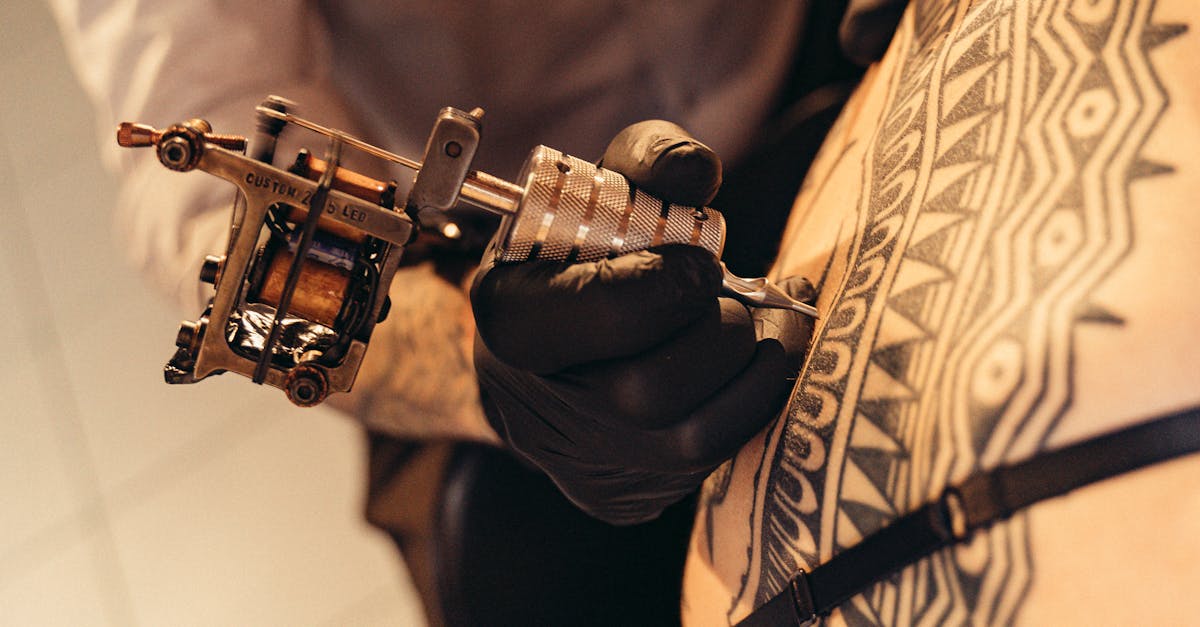
Table Of Contents
The Tattooing Process
An initial consultation sets the stage for the tattooing process. Artists and clients discuss design ideas, preferred placements, and any personal considerations. This dialogue allows the artist to gain insight into the client's vision while guiding them on the technical aspects of realism tattoos. It is important for clients to provide reference images to ensure that the artist fully understands their expectations. The planning phase is crucial, especially for detailed work where accuracy is paramount.
Once the design is finalised and the placement agreed upon, the tattooing can begin. This involves the careful application of ink using various techniques to achieve depth and lifelike detail. Realism tattoos often require multiple layers to create the illusion of texture and dimension. Artists frequently take breaks during long sessions to allow for comfort and to assess the work as it progresses. Each step demands precision, attention to detail, and a commitment to delivering a piece that captures the desired likeness.
From Consultation to Aftercare
A successful realism tattoo starts with a thorough consultation between the artist and the client. This initial meeting allows the artist to understand the client's vision, preferences, and any specific details they desire in the design. The artist may show previous work, discuss potential placements on the body, and go over the intricacies involved in creating lifelike images. Establishing a clear line of communication ensures that both parties are aligned before the needle touches the skin.
Preparation for the tattooing session extends beyond the design phase. The artist will provide guidance on how to prepare physically and mentally, which may include recommendations on hydration and avoiding alcohol or other substances beforehand. Post-tattoo care is equally vital, with the artist explaining the best practices for keeping the tattoo clean and moisturised to maintain its vibrancy. This includes advice on sun protection and when to seek professional help for any concerns that may arise during the healing process.
Pain Levels and Comfort
Each individual's pain tolerance varies, making it essential to understand what to expect during the tattooing process. Realism tattoos often demand longer sessions due to their intricate details. Areas of the body with thinner skin or those close to bones may cause more discomfort. Clients can prepare by considering their pain threshold and possibly discussing it with their artist beforehand.
Tattoo artists typically recommend techniques to enhance comfort during the appointment. Some suggest deep breathing exercises or bringing along distractions like music. Many studios offer numbing creams to alleviate discomfort, although clients should consult the artist about its use in advance. Communication during the session remains crucial, allowing adjustments if pain becomes too intense.
What to Expect During the Tattooing Session
A tattoo session typically begins with a detailed discussion about the design and placement. The artist will ensure that the stencil is perfectly aligned before applying it to the skin. Adjustments may be made to ensure the client's comfort and satisfaction with the overall look. Many artists will also review pain expectations upfront, letting clients know what areas might be more sensitive.
Once the tattooing begins, the sound of the tattoo machine can be both reassuring and intimidating. Pain levels can vary significantly based on the design's intricacy and the body's specific areas. The artist often works meticulously, layering ink to achieve realistic depth and texture. Breaks may be offered as needed, and communication during the process is encouraged to ensure that clients feel at ease and confident in their experience.
Aftercare for Realism Tattoos
Proper aftercare is essential for maintaining the lifelike quality of realism tattoos. Immediately after the tattoo session, it is vital to keep the area clean. Gently wash the tattoo with mild soap and lukewarm water. Pat it dry with a clean towel, taking care not to rub the skin. Applying a thin layer of a recommended ointment or moisturiser can help keep the skin hydrated and promote optimal healing.
As the tattoo heals, it is important to avoid direct sunlight and submerging the area in water, such as pools or hot tubs. Sun exposure can cause fading, while excessive moisture can lead to infection. Regular moisturisation is key throughout the healing process, and it is advisable to follow any specific guidelines provided by the tattoo artist. Paying attention to changes in the skin can help identify potential issues early on, ensuring the tattoo retains its vibrancy and detail for years to come.
Ensuring Longevity and Vibrancy
Proper aftercare significantly influences the lifespan and clarity of realism tattoos. Immediately following the session, it is crucial to keep the tattoo clean and dry. Using a mild, fragrance-free soap can help remove any excess ink or blood. Applying a thin layer of unscented moisturiser or a specialised tattoo aftercare product promotes healing and prevents excessive dryness. Avoiding direct sunlight exposure protects the intricate details from fading, making it essential to use sunscreen on healed tattoos when outdoors.
Visitors often underestimate the importance of hydration in maintaining a tattoo's vibrancy. Drinking plenty of water supports the skin's overall health, which can enhance how the tattoo retains colour over time. Regular moisturising beyond the initial healing phase can also contribute to a tattoo's appearance. It helps to keep the skin supple, ensuring the artwork remains crisp and bright. Regular touch-ups may be necessary to refresh areas that fade or lose definition due to natural skin changes or ageing, maintaining the artwork's original beauty.
FAQS
What is a realism tattoo?
A realism tattoo is a style of tattoo art that aims to replicate lifelike images and details, creating a three-dimensional effect on the skin. Artists often use shading, colour gradients, and fine lines to achieve a realistic appearance.
How long does the tattooing process take?
The duration of the tattooing process can vary significantly depending on the size and complexity of the design. Smaller realism tattoos may take a couple of hours, while larger, more intricate pieces can take several sessions over multiple days.
Is getting a realism tattoo painful?
Pain levels during a realism tattoo session can vary from person to person. Many factors, such as the tattoo's location on the body and individual pain tolerance, can influence the experience. Generally, areas with more flesh and muscle tend to be less painful than bony areas.
What should I do to prepare for my tattoo appointment?
To prepare for your tattoo appointment, it's recommended to stay hydrated, avoid alcohol and blood-thinning medications, and get a good night's sleep before the session. Additionally, discussing your design and expectations with your artist during the consultation is crucial.
How can I ensure my realism tattoo stays vibrant?
To maintain the vibrancy of your realism tattoo, proper aftercare is essential. This includes keeping the tattoo clean and moisturised, avoiding direct sunlight, and refraining from swimming in pools or oceans until it has fully healed. Following your artist's aftercare instructions will also help ensure longevity.
Related Links
Top Realism Tattoo Artists on the Sunshine CoastTrends in Realism Tattoos You Need to Know
Maintaining Realism in Tattoo Art: How Quality Matters
The Symbolism Behind Popular Realism Tattoo Designs
Researching the Best Realism Tattoo Shops in Sunshine Coast