The Role of Skin Tone in Watercolour Tattoo Aesthetics
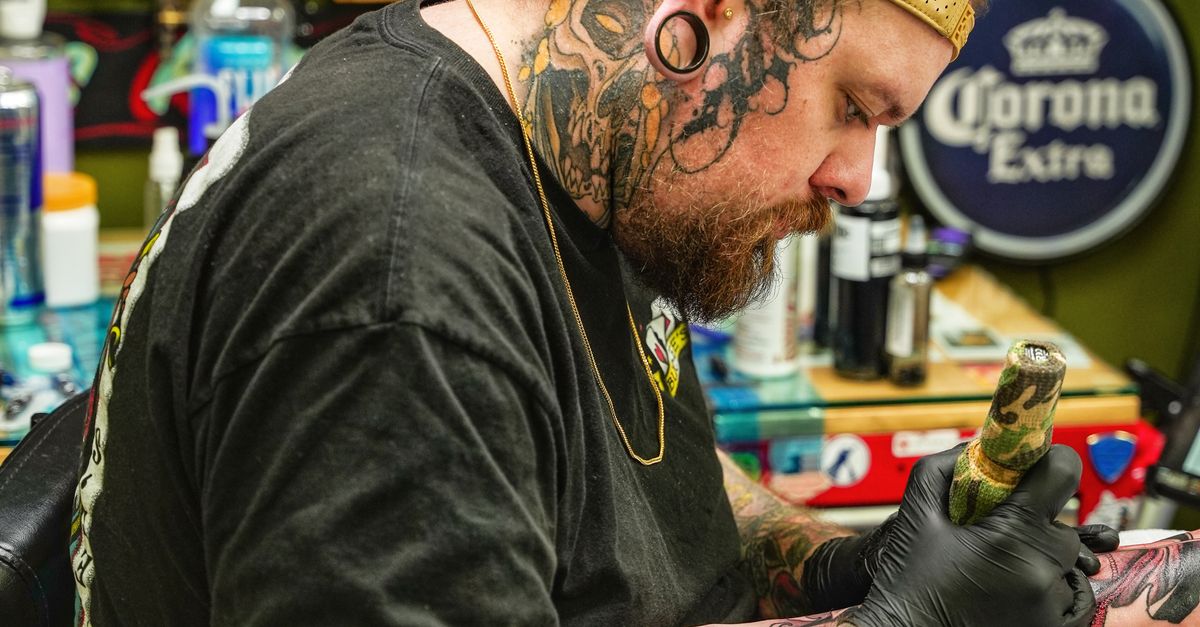
Table Of Contents
The Role of Artist Experience in Watercolour Tattoos
Experience plays a crucial role in the creation of watercolour tattoos, impacting both technique and outcome. Artists with a deep understanding of colour theory can effectively blend hues to achieve the desired effect on various skin tones. The nuances of applying watercolour techniques require not just tactical skill but also an appreciation for how pigments interact with skin. A seasoned artist is better equipped to navigate challenges that arise during the tattooing process, such as how saturation levels differ across skin types.
Moreover, an artist's familiarity with watercolour styles often translates into more precise execution and innovative designs. Experienced tattooists are adept at employing various techniques to create depth and texture, making their work distinct. They possess the ability to adjust their approach based on the client's skin tone, ensuring that the final result is vivid and harmonious. This understanding elevates the aesthetic appeal, celebrating the unique characteristics of each individual's complexion while maintaining the fluidity synonymous with watercolour art.
How Skill Levels Affect Aesthetic Outcomes
The skill level of the tattoo artist plays a pivotal role in determining the quality and visual appeal of a watercolour tattoo. Artists with extensive experience are often better equipped to create fluid transitions and intricate designs that capture the essence of the watercolour aesthetic. Their understanding of colour mixing and layering techniques allows them to produce vibrant and distinctive pieces that resonate well with the skin tone of their clients. A novice artist may struggle with executing these subtle gradients, resulting in a less polished look.
Diverse artistry styles also influence how effectively colour is applied and maintained across different skin types. Experienced tattooists are adept at adapting their methods to enhance the natural hues of each individual’s skin. This can lead to tattoos that not only appear more vibrant but also age gracefully over time. When an artist lacks the necessary proficiency, the final outcome may fall short of the intended aesthetic, leading to a lack of cohesion within the design. Consequently, the interplay between an artist's expertise and the watercolour technique significantly impacts the overall effectiveness of the body art.
Popular Watercolour Tattoo Designs
In the realm of watercolour tattoos, designs often draw inspiration from nature and abstract forms. Floral motifs frequently emerge as favourites among enthusiasts, bringing dynamic splashes of colour that mimic the fluidity of water. Creatures like birds and butterflies also captivate many, their vibrant hues blending seamlessly into the surrounding skin tones. These designs offer an ethereal quality, inviting a unique artistic interpretation that stands apart from traditional tattoo styles.
Another popular choice embraces symbols and phrases, often infused with a personal significance. The watercolour technique lends itself well to text-based tattoos, where splashes of colour can enhance the emotional weight of the words. Furthermore, abstract art has gained traction, encouraging artists to experiment with brush strokes and colour combinations. This technique allows for individual expression, as no two tattoos are ever identical, making each piece a personal statement.
Trends that Complement Various Skin Tones
The interplay between skin tone and tattoo design plays a crucial role in the overall aesthetic of watercolour tattoos. Lighter skin tones often serve as a canvas for vibrant splashes of colour, allowing shades like teal, coral, and bright yellow to pop. In contrast, deeper skin tones can beautifully showcase rich jewel tones such as emerald green, sapphire blue, and deep burgundy. This not only enhances the visual impact but also emphasises the delicate blend of colours that characterises the watercolour style.
Current trends in watercolour tattoos reflect a growing appreciation for designs that harmonise with individual skin tones. Pastel palettes are gaining popularity among those with lighter skin, creating a soft and ethereal effect. Simultaneously, more saturated colours are being embraced by individuals with darker complexions, as these hues create striking contrasts that highlight the tattoo's artistic elements. By considering these trends, artists can provide tailored recommendations for clients, ensuring that each tattoo resonates with the wearer’s unique skin characteristics.
Maintenance Tips for Watercolour Tattoos
To preserve the vibrancy of watercolour tattoos, proper aftercare is essential. Keeping the tattoo moisturised helps maintain its brilliance and prevents fading over time. Use fragrance-free lotions or creams that are specifically designed for tattoo care. Avoiding sun exposure is crucial. If the tattooed area must be exposed to sunlight, applying sunscreen with a high SPF can help protect the colours from UV damage.
Regular touch-ups may be necessary, especially for tattoos on areas that experience more wear and tear. Experts often recommend visiting a professional tattoo artist for these sessions to ensure the tattoo remains true to its original design. Additionally, avoiding abrasive scrubs or harsh chemicals during bathing will help keep the ink intact. Being mindful of the healing process in the initial weeks will also set a solid foundation for long-lasting vibrancy in watercolour tattoos.
Keeping Colours Vibrant on Different Skin Types
Maintaining the vibrancy of watercolour tattoos depends heavily on the interplay between ink quality and skin type. Lighter skin tones tend to showcase inks in brighter and more vivid ways, allowing colours to pop. Conversely, deeper skin tones can sometimes absorb certain hues, altering their appearance. Artists often choose inks that are designed to be more resilient and bold, ensuring that they do not fade quickly, especially on skin that may require more fallout for clear visibility.
Aftercare plays a crucial role in retaining the necessary brightness and vibrancy of these tattoos. Regular moisturisation and the use of sunblock protect the tattoo from fading due to UV exposure. Those with varying skin types should be particularly mindful of their skincare routines, as dryness can affect ink saturation. Gentle cleansers, rather than harsh soaps, can help preserve the dynamic quality of watercolour tattoos while preventing the skin from becoming too dry or irritated.
FAQS
How does skin tone affect the appearance of watercolour tattoos?
Skin tone can significantly influence how watercolour tattoos look, as different pigments react differently on various skin shades. Lighter skin tones may allow for more vibrant colours, while darker skin tones can provide a unique depth and richness to the designs.
Are there specific watercolour tattoo colours that work better on certain skin tones?
Yes, some colours may stand out more effectively depending on the skin tone. For example, bright colours like yellows and pinks often pop on lighter skin, while deeper hues like blues and purples can look striking on darker skin.
Can I get a watercolour tattoo if I have a darker skin tone?
Absolutely! Many artists specialise in creating beautiful watercolour tattoos on darker skin tones. It’s essential to choose an experienced artist who understands how to work with different pigments to achieve the best results for your skin type.
What should I discuss with my tattoo artist regarding my skin tone?
It’s important to talk to your tattoo artist about your skin tone, desired colours, and any examples of designs you like. They can recommend specific shades that will complement your skin and advise on how to achieve the desired aesthetic.
How can I maintain the vibrancy of my watercolour tattoo regardless of my skin tone?
To keep your watercolour tattoo looking vibrant, follow proper aftercare, such as keeping it moisturised, avoiding excessive sun exposure, and using sunscreen on the tattooed area. Regular touch-ups may also be needed to maintain the colours over time.
Related Links
Aftercare Tips Specifically for Watercolour TattoosUnderstanding the Challenges of Watercolour Tattoo Application
Inspirational Watercolour Tattoos: A Gallery of Ideas
Trends in Watercolour Tattoos for 2024
How to Choose the Right Colour Palette for Your Watercolour Tattoo
Meaning and Symbolism in Watercolour Tattoo Art