Tribal Tattoo Mythology: Stories Behind the Ink
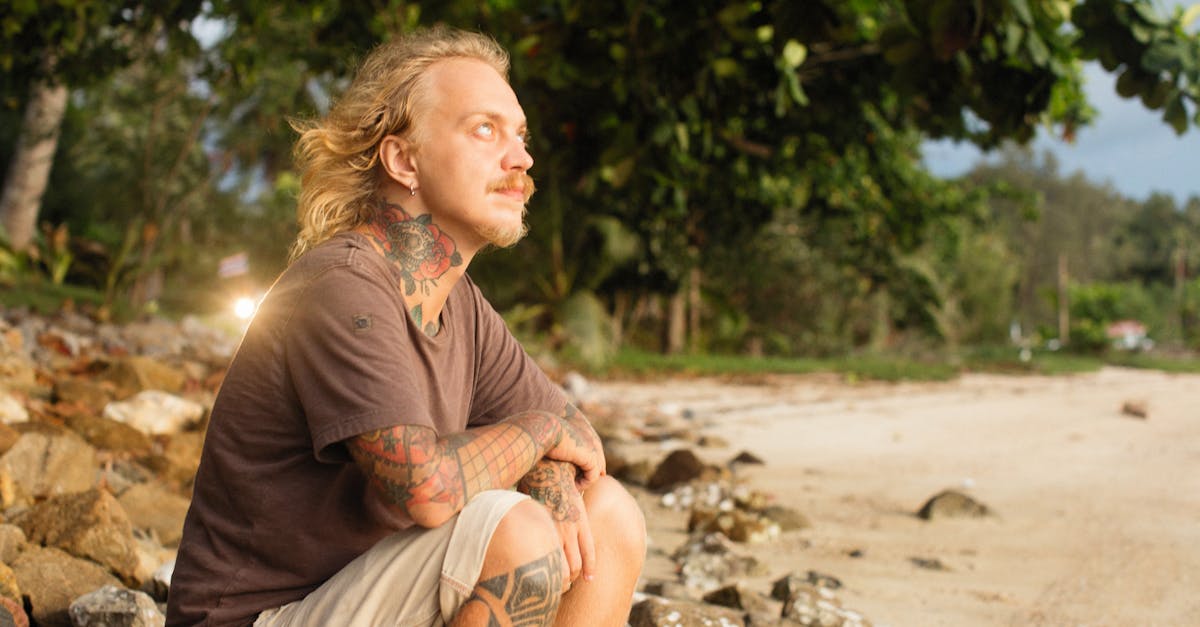
Table Of Contents
Mythology and Folklore in Tattoo Art
Tattoo art has long served as a visual language, telling stories that intertwine with the mythology and folklore of various cultures. Each symbol carries meaning, often reflecting the beliefs and values of a community. From intricate designs representing creation myths to motifs depicting ancestral spirits, these tattoos encapsulate narratives passed down through generations. Indigenous populations have utilised body art not just for aesthetic purposes but as a means of cultural storytelling and identity preservation.
The significance of these stories often transcends the personal, reaching into the communal and spiritual realms. Tattoos may mark rites of passage, celebrate victories, or commemorate losses, acting as a living testament to the bearer's life journey. As individuals don these intricate artworks, they embody the lore of their ancestors, forming a deeper connection with their cultural roots. Such practices invite a rich discussion on the role of tattoos as cultural artefacts rather than mere decoration, highlighting their place in the tapestry of human expression.
Stories Embedded in Tribal Symbols
Tribal tattoos serve as visual narratives, each symbol carrying a story rooted in the culture that created it. The intricate lines and patterns often represent ancestral tales, significant life events, or the spiritual world. In many indigenous cultures, these designs are more than mere decoration; they transfer wisdom and knowledge across generations. Each tattoo can denote social status, personal achievements, or connections to a community, establishing a link between the individual and their heritage.
The meaning behind these symbols is deeply intertwined with the beliefs and experiences of the people who bear them. For instance, in Polynesian cultures, specific motifs might signify bravery, unity, or fertility. They are often accompanied by detailed processes involving rituals and communal participation during the tattooing ceremony. This ensures that each mark on the skin vividly encapsulates not just personal identity but also the collective history and values of the tribe.
The Spiritual Connection of Tribal Tattoos
Many Indigenous cultures view tattoos not merely as art but as a powerful spiritual expression. These markings often signify important life events, rites of passage, or connections to ancestry and the natural world. The ink can serve as a conduit, linking the wearer to their heritage and the spirits guiding them. For some tribes, the process of getting tattooed is a sacred ritual, often accompanied by prayers or chants, creating a deep spiritual bond between the artist, the recipient, and the community.
The beliefs surrounding these tattoos extend beyond mere decoration. They often embody protective properties, instilling strength and courage in the wearer. In many cases, specific symbols hold unique meanings tied to local myths and legends. Each design reflects the values and identity of the tribe, reinforcing cultural continuity through generations. The act of adorning one's body with these symbols becomes an affirmation of belonging and a reminder of the spiritual journey one embarks on throughout their life.
Beliefs and Rituals Associated with Body Art
Body art holds profound significance across various cultures, often intertwined with belief systems and rituals. In many tribal communities, tattoos serve as markers of identity, status, or a rite of passage. The process of getting tattooed may involve specific rituals, such as blessings or the calling of ancestral spirits, which reinforce the cultural heritage associated with the symbols. Each design carries its own story, reflecting the individual’s journey or the collective history of the tribe.
Tattoos also function as protective charms in numerous traditions. Many believe that certain symbols can ward off evil spirits or bring good fortune. The act of tattooing itself can be a meditative process, emphasising the spiritual connection between the artist and the recipient. In this context, tattoos are not merely aesthetic; they embody the essence of a person's spirit, their history, and their ties to the divine. This deep-rooted significance transforms body art into something far greater than just decoration.
Notable Tribal Tattoo Artists
The tattoo scene has been significantly shaped by a diverse array of tribal tattoo artists who draw inspiration from their cultural heritage. Among them, artists like Nikko Hurtado have gained international recognition for their mastery over colour and detail, often incorporating tribal elements into their pieces while bringing a contemporary flair. Similarly, artists such as Okan Katić have focused on tribal designs, blending traditional motifs with modern techniques to create unique expressions that resonate with both Indigenous traditions and today's aesthetic sensibilities.
Another notable figure is Hailey Anna, known for her deep respect for the stories and meanings behind tribal tattooing. Her work often features intricate designs that reflect her fascination with ancient symbolism, showcasing a profound appreciation for the cultural significance of body art. These artists highlight the evolving landscape of tattoo artistry, demonstrating how traditional practices can be revitalised within a modern framework. Their contributions not only elevate the art form but also serve as a bridge between generations, ensuring that the stories encapsulated in these tattoos continue to thrive.
Influential Figures in the Tattoo Community
The tattoo community has seen a surge of influential figures who have shaped the art form and elevated its status worldwide. Artists like Kat Von D and Paul Booth have brought innovative techniques and unique styles, making tattoos more accessible and celebrated. Their distinct aesthetics and approaches have inspired a new generation of tattoo enthusiasts, encouraging personal expression and exploration of diverse themes within the tattoo culture.
Another notable figure is Don Ed Hardy, whose fusion of traditional Japanese art with modern street culture has left an indelible mark on the tattoo landscape. His designs transcend mere body art, illustrating stories and intricate symbolism that resonate with many. The legacy of these artists extends beyond their individual work; they have redefined the perception of tattoos, promoting them as a respected form of artistic expression intertwined with personal narratives and cultural significance.
FAQS
What is the significance of tribal tattoos in different cultures?
Tribal tattoos often hold deep cultural significance, representing identity, spirituality, and social status within various communities. They can tell stories of ancestry, heritage, and personal beliefs.
How do tribal symbols convey stories?
Tribal symbols are rich in meaning and often depict elements from mythology, nature, or history. Each symbol can represent personal experiences or communal narratives, allowing wearers to express their unique stories through art.
What spiritual beliefs are associated with tribal tattoos?
Many cultures believe tribal tattoos provide spiritual protection, signify a rite of passage, or connect individuals to their ancestors. They are often seen as a way to honour one’s heritage and maintain a spiritual link to the past.
Who are some notable tribal tattoo artists?
Influential tribal tattoo artists include figures such as Ed Hardy, who popularised tattoo culture, and traditional Maori artists like Tūhoe Te Whiu. Each artist brings their own interpretation and style to tribal tattooing.
Are there specific rituals associated with getting tribal tattoos?
Yes, in many cultures, receiving a tribal tattoo involves specific rituals such as prayers, blessings, or community gatherings. These practices are important for imparting respect and significance to the tattooing process.
Related Links
The Best Spots on the Sunshine Coast for Tribal Tattoo InspirationUnderstanding the Techniques Behind Tribal Tattoos
Choosing the Right Tattoo Artist for Your Tribal Design
The Role of Aboriginal Art in Tribal Tattoo Designs
How Tribal Tattoos Reflect Identity and Heritage
What to Consider Before Getting a Tribal Tattoo
The Evolution of Tribal Tattoo Styles in Contemporary Art