Understanding the Risks of Tattoo-Related Infections
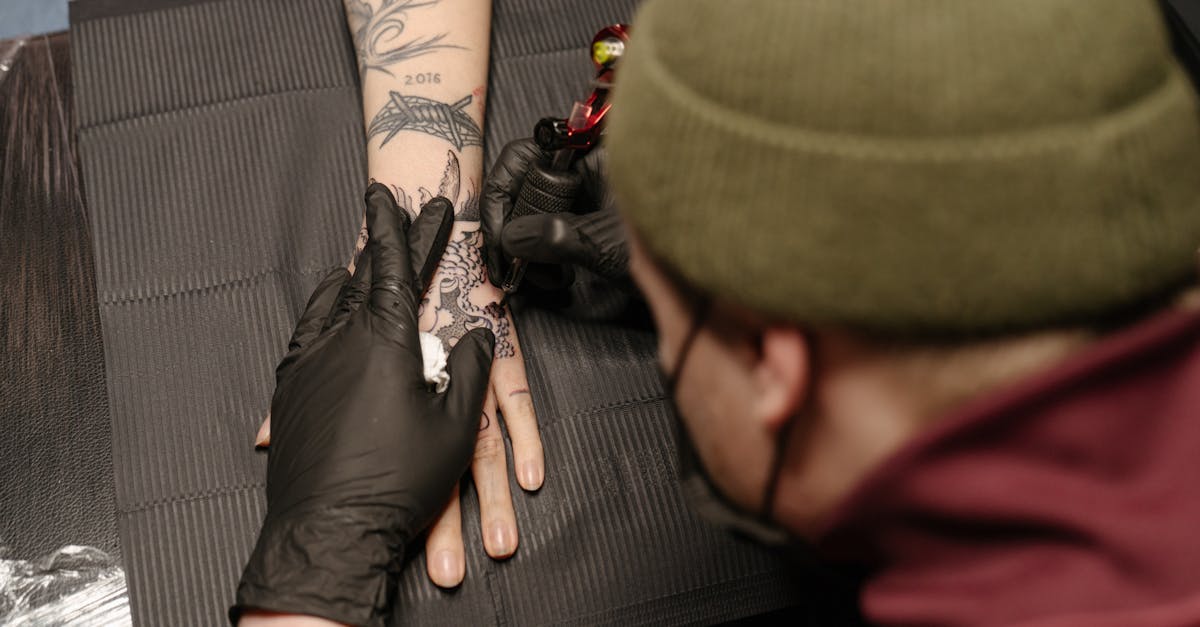
Table Of Contents
The Impact of Tattoo Equipment on Infection Risk
The type of equipment used during the tattooing process plays a critical role in determining the risk of infection. Tattoo machines, needles, and ink must be of high quality and specifically designed for skin application. Unsanitary tools or those that have not undergone proper sterilisation can introduce harmful pathogens into the skin, leading to severe complications. It is essential for artists to use single-use needles and ensure that any reusable equipment is thoroughly cleaned and disinfected to minimise these risks.
Additionally, the environment in which the tattooing takes place can greatly influence the likelihood of infection. A clean, sterile workspace with proper ventilation is important for reducing the risk of airborne contaminants. Artists should adhere to strict health and safety guidelines, including wearing gloves and using protective barriers, to safeguard both themselves and their clients. The systemic implementation of these practices contributes to a safer tattooing experience, ultimately decreasing the potential for infections post-procedure.
Sterilisation and Sanitation Procedures
Effective tattoo-related infection prevention begins with rigorous sterilisation and sanitation procedures in a tattoo studio. Artists should employ single-use equipment whenever possible, including needles and ink caps. Non-disposable items require thorough cleaning using an autoclave or other sterilisation methods to eliminate potential pathogens. Surfaces that come into contact with skin should be disinfected routinely, ensuring a hygienic workspace.
In addition to equipment management, artists must adhere to strict personal hygiene practices. Frequent hand washing with soap and water or the use of antibacterial hand sanitiser forms the basis of maintaining a clean environment. Wearing disposable gloves during the tattooing process minimises the risk of transferring bacteria to both the client and the artist. Regular training and adherence to industry standards enhance the overall safety of the tattooing experience.
Allergic Reactions vs. Infections
Understanding the distinction between allergic reactions and infections is crucial for anyone considering a tattoo. An allergic reaction typically occurs when the body’s immune system responds to substances such as ink ingredients or latex gloves. Symptoms often include redness, itching, swelling, and rashes that develop shortly after exposure. In contrast, infections arise from bacteria entering the skin, frequently resulting from poor hygiene practices during the tattooing process or inadequate aftercare. Symptoms of an infection can include increased pain, warmth, pus formation, and fever, signalling a more serious issue that requires medical attention.
Recognising these differences can significantly impact how one responds to complications following a tattoo. When experiencing symptoms that resemble either an allergic reaction or an infection, it is vital to evaluate the context and timing of the symptoms to determine the appropriate action. Ensuring prompt care can prevent minor issues from escalating. For those unsure of how to differentiate between the two, consulting a healthcare professional is advisable. This proactive approach can help maintain skin health and ensure a more positive tattoo experience.
Differentiating Between the Two
Infections and allergic reactions can present similar symptoms, creating confusion for individuals with new tattoos. Infections typically arise from bacterial contamination or poor aftercare, leading to redness, swelling, warmth, and pus. Allergic reactions, on the other hand, may occur due to sensitivity to certain tattoo inks or the materials used in the tattooing process. Symptoms often manifest as itching, rash, or hives surrounding the tattoo, without the presence of pus.
It is important to observe the progression of symptoms to distinguish between the two. Signs of infection may worsen over a few days, and consultation with a medical professional is essential if these symptoms do not improve or escalate. Allergic reactions can often be managed with over-the-counter treatments, but persistent or severe reactions should prompt medical advice as well. Recognising these differences early can facilitate timely intervention and treatment.
The Importance of Following Aftercare Instructions
Proper aftercare following a tattoo session is crucial for preventing infections and ensuring optimal healing. Tattoo artists typically provide clients with specific instructions, which may include keeping the tattooed area clean and moisturised. Failure to adhere to these guidelines can lead to bacteria entering the skin, increasing the risk of complications. Ignoring aftercare recommendations can also hinder the healing process, potentially resulting in loss of pigment and an unsatisfactory appearance.
Monitoring the tattoo for any signs of irritation or infection is equally important during the healing period. Individuals must avoid tight clothing, excessive sun exposure, and activities that could cause sweating or irritation at the tattoo site. By prioritising these aftercare steps, the likelihood of developing infections decreases significantly. Engaging in proper care not only promotes healthier skin but also enhances the overall aesthetic of the tattoo as it heals.
How Proper Care Reduces Complications
After getting a tattoo, adherence to aftercare instructions is crucial for minimising the risk of complications. Proper cleaning and moisturising of the tattooed area help prevent the buildup of bacteria. Using non-scented, gentle products ensures that the skin remains irritation-free. Additionally, avoiding exposure to direct sunlight and soaking in water can aid the healing process by reducing the likelihood of infection. Ignoring these guidelines may lead to unwanted outcomes such as fading, scabbing, or, worse, severe infections.
It is essential for individuals to monitor their tattoos during the healing phase. Any signs of redness, swelling, or unusual discharge should prompt a visit to a healthcare professional. Furthermore, following the recommended timeline for reapplying ointments and transitioning to lotions can enhance the skin's healing capabilities. Maintaining communication with the tattoo artist regarding any concerns or queries can also lead to more informed aftercare decisions, ultimately safeguarding the integrity of the artwork while ensuring overall skin health.
FAQS
What are the main risks associated with tattoo-related infections?
The main risks include bacterial infections, allergic reactions, and viral infections, which can arise from non-sterilised equipment, improper aftercare, or pre-existing skin conditions.
How can I tell if my tattoo is infected?
Signs of an infected tattoo include redness, swelling, increased pain, warmth around the area, pus or unusual discharge, and fever. If you notice these symptoms, it's essential to consult a healthcare professional.
What sterilisation procedures should tattoo artists follow?
Tattoo artists should utilise single-use, sterilised needles and equipment, and maintain a clean environment by disinfecting surfaces and tools. Proper sanitation practices are crucial to reduce the risk of infections.
Can I still get a tattoo if I have allergies?
Yes, but it's important to inform your tattoo artist about any allergies you have. They can help choose appropriate inks and materials to minimise the risk of allergic reactions.
Why is aftercare essential for preventing infections?
Proper aftercare helps keep the tattoo clean and promotes healing. Following aftercare instructions, such as keeping the tattoo moisturised and avoiding exposure to dirt and bacteria, significantly reduces the likelihood of complications.
Related Links
Emergency Situations: When to Seek Immediate Medical AttentionEssential Steps to Take If You Suspect an Infection
Preventing Infections: Key Tips for Sunshine Coast Tattoo Enthusiasts
Local Health Services for Tattoo Infection Concerns
How to Distinguish Between Normal Healing and Infection
Common Signs of Infection for Fresh Tattoos
When to Consult a Professional After Getting Tattooed
Identifying Unusual Skin Reactions Post-Tattoo
Recognising the Symptoms of Tattoo Infection on the Sunshine Coast